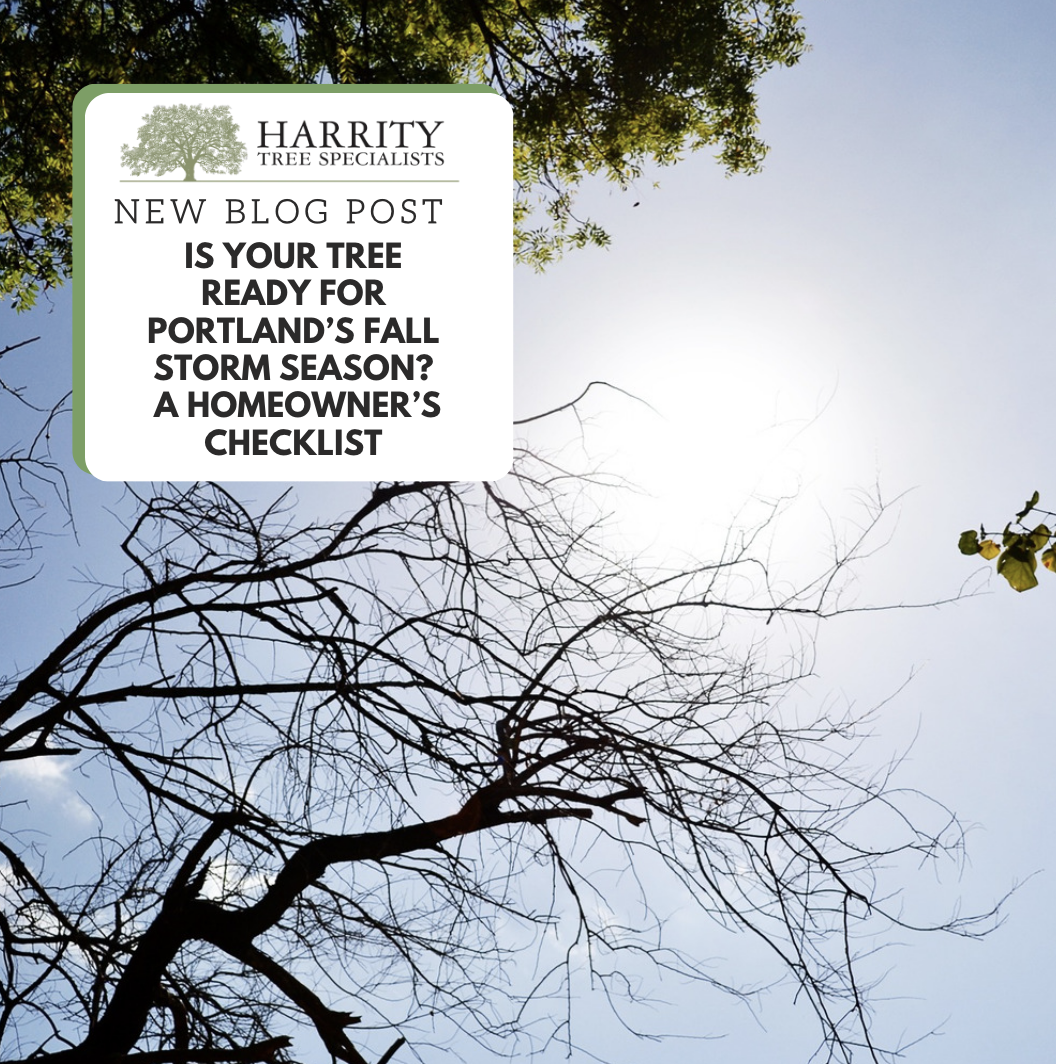
This August has been dry across the Portland metro area, and fire season has kept many of us on edge. Prolonged dry periods put real stress on trees. When the first heavy fall rains and wind events arrive, drought-weakened limbs, compacted or cracked soil, and hidden decay can turn previously stable trees into hazards almost overnight.
The City of Portland’s Urban Forestry division regularly encourages property owners to evaluate trees before winter weather hits, noting that autumn is an ideal window for professional assessment and maintenance. Oregon State University Extension also emphasizes that timely care helps trees handle seasonal stressors more effectively.
If you have trees near your house, driveway, power lines, or sidewalk, now is the smartest time to check them. Here’s a practical checklist built specifically for Portland homeowners.
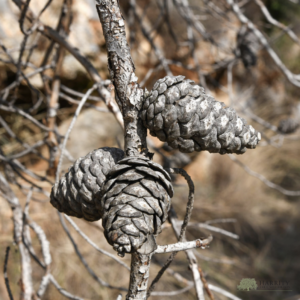
1. Look for Dead or Hanging Branches
Walk your property and look up. Dead limbs (often called “widow makers”) are one of the most common causes of storm damage. They break easily once wood becomes wet and heavy.
Pay special attention to:
- Branches hanging over the roof or driveway
- Limbs that look cracked or partially broken
- Trees that dropped a lot of branches during the dry summer
The International Society of Arboriculture (ISA) stresses that identifying and addressing these defects early is a core part of responsible tree risk management.
2. Check for Lean or Shifting Soil
Portland’s clay-heavy soils soften and saturate quickly once the rains return. Trees showing a new or increasing lean, or cracked/heaving soil at the base, deserve closer attention.
A slight lean that has been stable for years is usually fine. A recent change is worth evaluating.
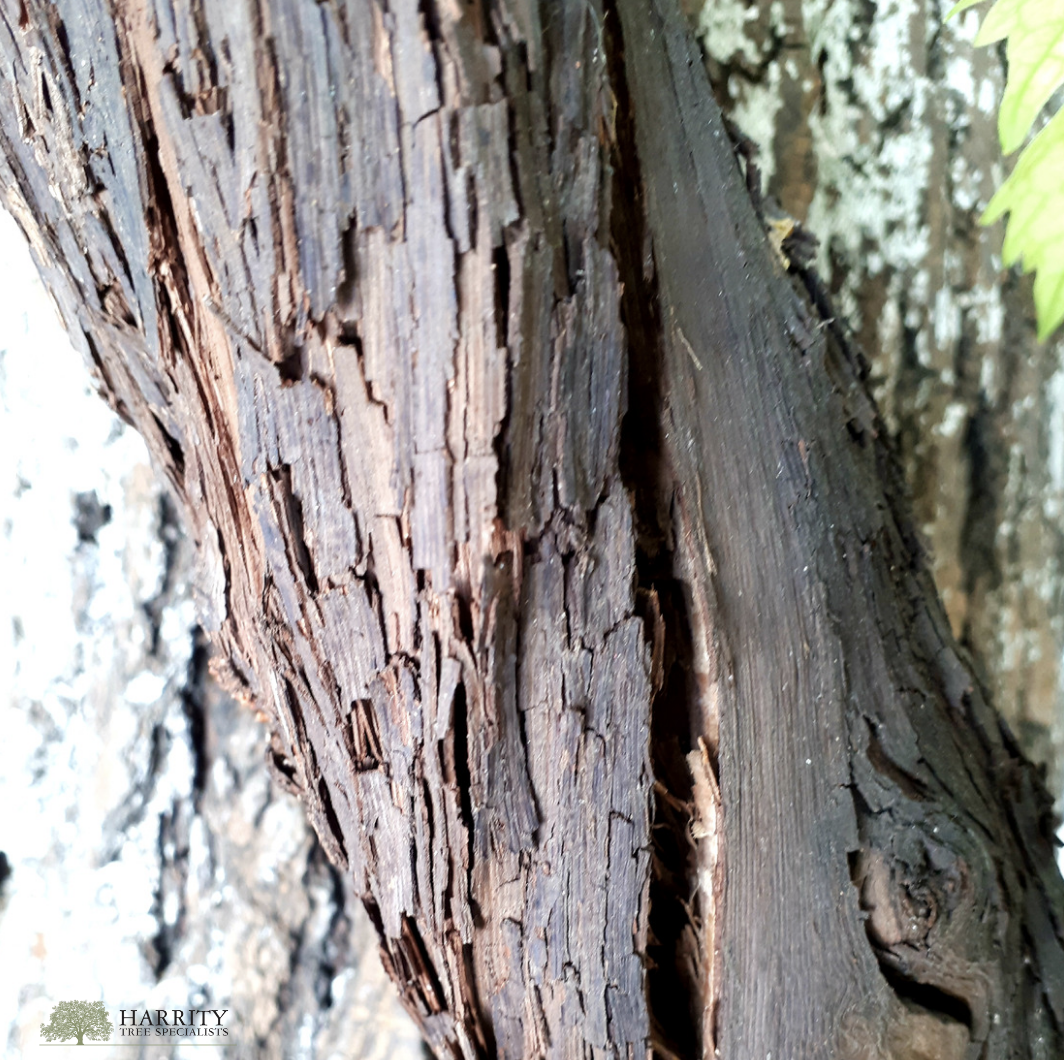
3. Inspect for Cracks, Cavities, and Mushrooms
Look at the trunk and major limbs for:
- Vertical cracks or splits
- Large cavities or hollow sections
- Mushrooms or fungal growth at the base (a possible sign of root or trunk decay)
Not every cavity means immediate failure, but it does indicate compromised structure. ISA’s Tree Risk Assessment Best Management Practices provide a systematic way professionals evaluate these conditions.
4. Watch for Root Damage or Construction Stress
Many Portland properties have seen sidewalk repairs, driveway work, or nearby construction in recent years. Roots that were cut or compacted can leave a tree less stable when soil becomes waterlogged.
If major work occurred near the tree in the last few years, a professional look is worthwhile before the wet season.
5. Consider Proximity to Targets
Even a relatively healthy tree can create problems in the wrong location. Ask yourself:
- How close is it to the house or garage?
- Does it hang over the street or sidewalk?
- Are power lines nearby?
- Would a failure block your only driveway exit?
The closer a tree is to something valuable (or dangerous), the lower your risk tolerance should be. Portland’s Urban Forestry resources and tree permit guidelines help clarify when professional work or permits may be needed.
What Portland Homeowners Should Do Next
Most trees are fine. A quick inspection now, however, is far cheaper and less stressful than dealing with an emergency after a storm.
If you notice any of the red flags above—or simply want peace of mind before the rains start—a professional assessment is the practical next step. ISA Certified Arborists and Tree Risk Assessment Qualified (TRAQ) professionals can evaluate structure, health, and risk in ways that go beyond what most homeowners can see from the ground. Oregon State University Extension also provides science-based guidance on tree care that aligns with these best practices.
Joe Harrity and his crew at Harrity Tree Specialists have been serving the Pacific Northwest for over 30 years. As ISA Certified Arborists serving the Portland–Vancouver metro area since 1992, they offer straightforward evaluations and free consultations so you know exactly where you stand.
Ready for a quick check before storm season? Call or text (503) 331-0452, or visit our contact page to schedule a free consultation. A little attention in August and September can prevent a lot of headaches when the first big Pacific system rolls through.