Portland yards are home to a distinctive mix of native and adapted trees that shape the look and feel of our neighborhoods. Understanding the basic needs of the most common species helps homeowners keep them healthy, safe, and long-lived.
Here’s a practical guide to several trees frequently found in Portland landscapes, along with care recommendations grounded in local conditions and industry standards.
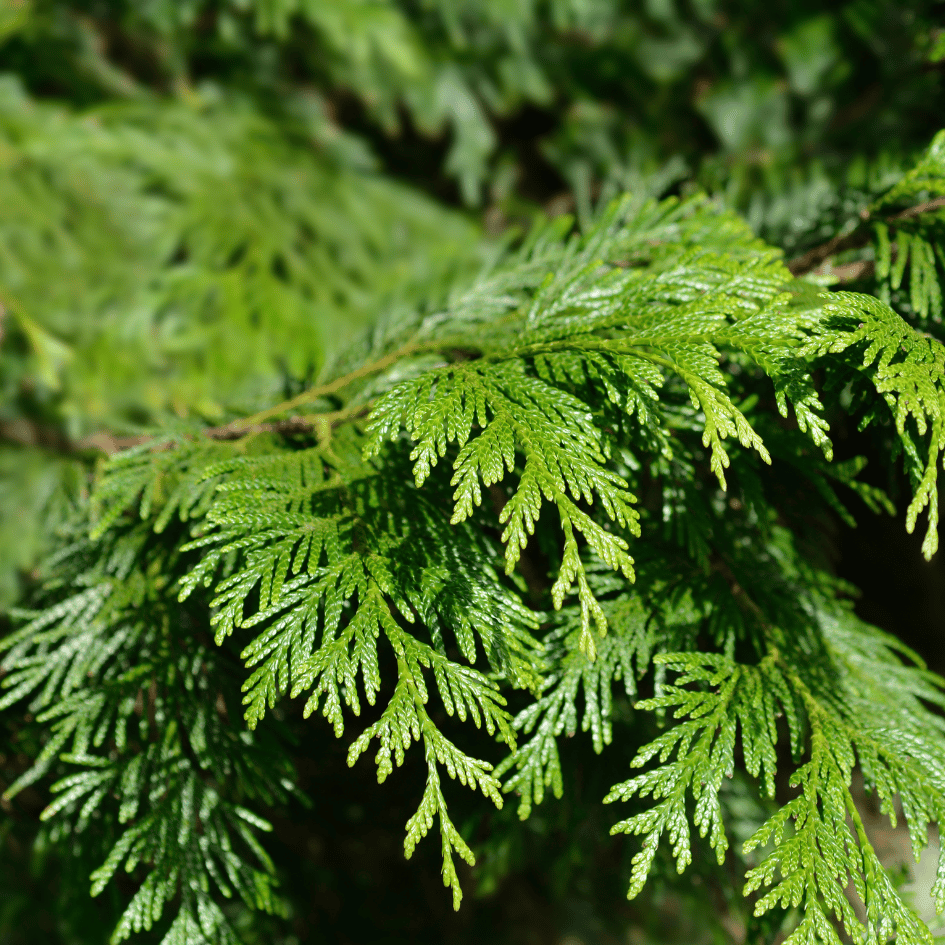
Douglas Fir (Pseudotsuga menziesii)
Oregon’s state tree and a dominant native conifer. Douglas firs are tall, fast-growing, and common in both naturalized areas and larger yards.
Care tips:
- Focus pruning on dead, damaged, or hazardous branches. Avoid topping—this ruins the natural form and creates weak regrowth.
- Light structural work is best done outside peak bark beetle activity periods when possible.
- Watch for Swiss needle cast and root diseases in stressed trees.
- Once established, they are relatively drought-tolerant but benefit from deep watering during prolonged dry spells, especially when young.
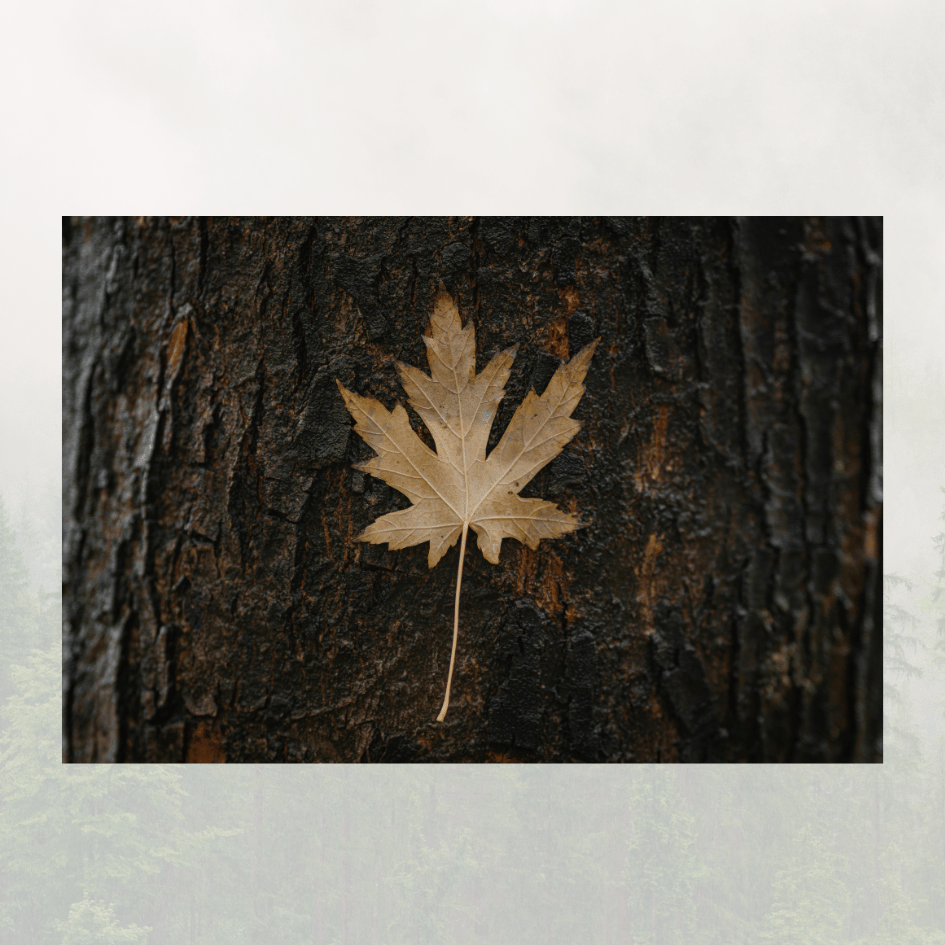
Bigleaf Maple (Acer macrophyllum)
A large native deciduous tree known for its oversized leaves and broad canopy. Common in yards with more space.
Care tips:
- Structural pruning is best done in late winter while the tree is dormant. This improves branch architecture and reduces storm damage risk.
- These trees can develop heavy limbs; regular assessment helps manage weight and included bark unions.
- Provide deep watering during extended summer dry periods, particularly for younger trees.
- Monitor for common maple issues such as leaf spots or stress-related problems.
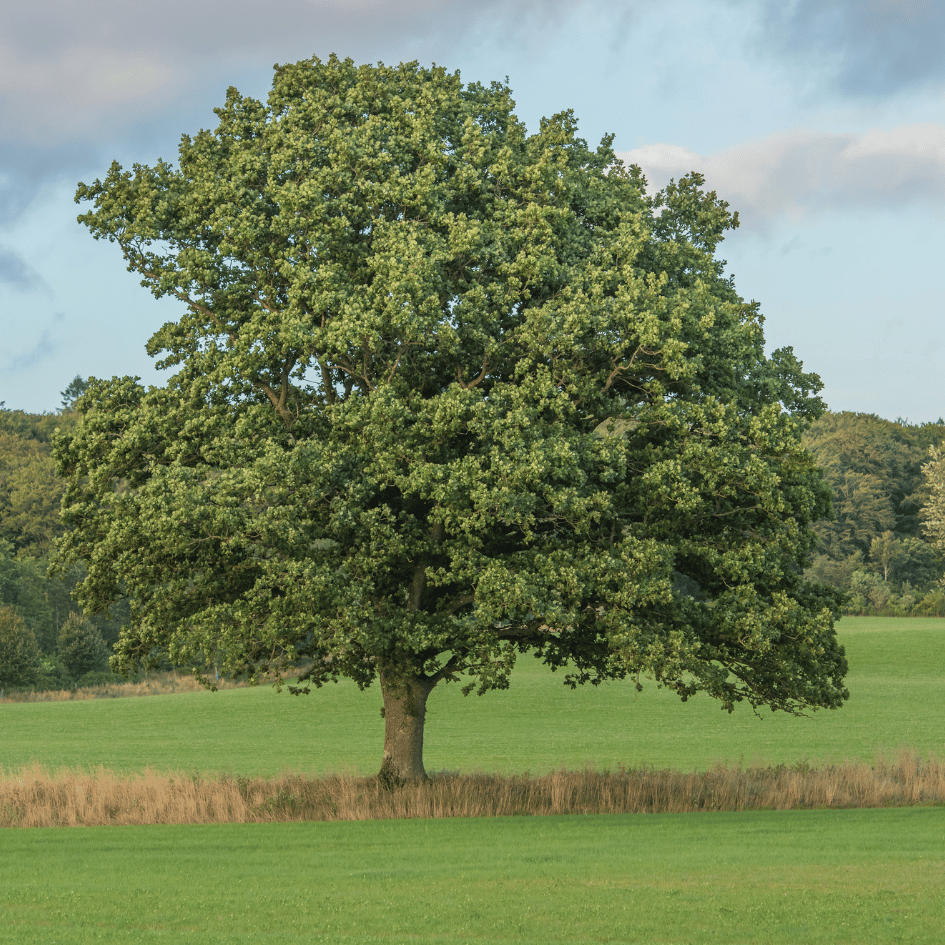
Oregon White Oak (Quercus garryana)
A long-lived native oak valued for wildlife habitat and its rugged character. Often found on drier sites or larger properties.
Care tips:
- Once established, Oregon white oaks are drought-tolerant and generally prefer not to receive frequent summer irrigation.
- Prune conservatively and preferably during the dormant season. Avoid unnecessary cuts that could invite issues.
- Protect the root zone from compaction and competing vegetation.
- These trees respond poorly to sudden changes in site conditions (grading, excess water, or heavy shade from competing conifers).
Other Common Trees in Portland Yards
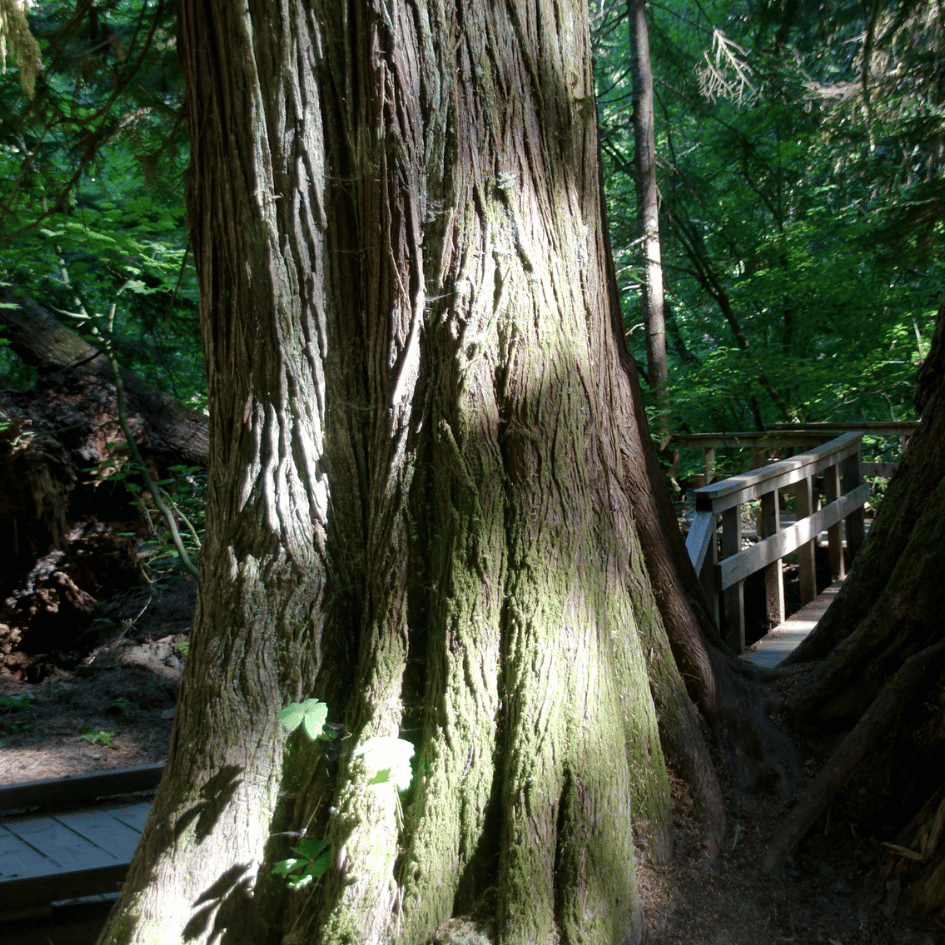
- Western redcedar – Prefers consistent moisture; sensitive to prolonged drought and urban heat stress in some locations.
- Various maples (including cultivated varieties) – Generally benefit from dormant-season structural pruning; some species are more prone to sap bleeding if pruned at the wrong time.
- Ornamental cherries and other flowering trees – Prune after flowering when possible to preserve blooms.
- Street and smaller landscape trees – Follow City of Portland guidance for right-of-way plantings and maintenance. See the Approved Street Tree Planting Lists and general resources at portland.gov/trees.
General Care Principles for Portland Trees
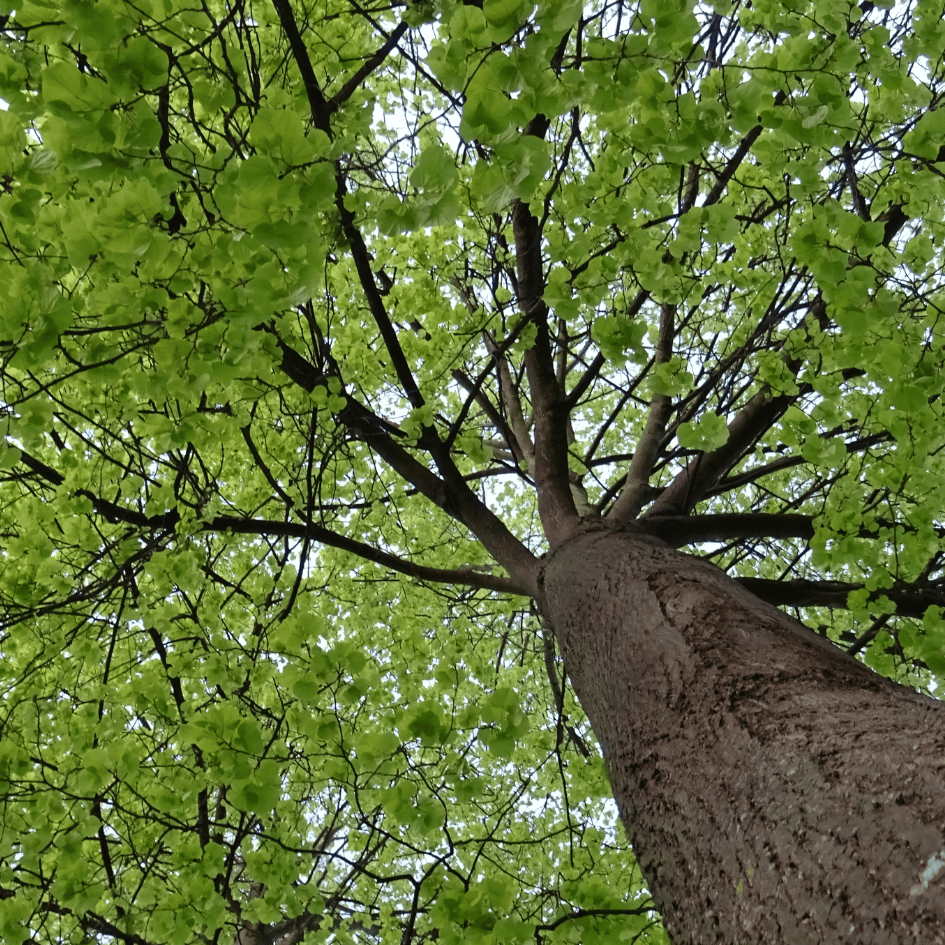
- Pruning timing – Late winter is ideal for most deciduous structural work. Dead and hazardous wood can be removed any time.
- Watering – Deep and infrequent is better than frequent shallow watering. Focus on the root zone (drip line and beyond).
- Mulch – Maintain 2–4 inches of organic mulch over the root zone, kept away from the trunk.
- Professional standards – Follow practices promoted by the International Society of Arboriculture (ISA), which emphasize proper cuts, appropriate timing, and long-term tree health.

Joe Harrity, Founder
Helpful Videos
These resources offer additional visual guidance on care and pruning principles:
- Pruning Young Shade Trees – Structural pruning fundamentals
- Pruning Ornamental Trees & Shrubs with OSU Master Gardeners – Practical techniques relevant to the region
- Certified Arborist Pruning a Mature Douglas Fir – Example of professional conifer work
Professional Care for Portland Trees
Different species have different needs. An ISA Certified Arborist can identify your trees, assess their condition, and recommend appropriate pruning, plant health care, or risk management.
At Harrity Tree Specialists, our team works with the full range of common Portland trees—from Douglas firs and bigleaf maples to oaks and ornamental species. We provide professional pruning, assessments, and ongoing care across the metro area. Learn more on our Residential Tree Care page or the About Us page.

Keep Your Portland Trees Healthy
Knowing the common trees in your yard and their basic requirements is the first step toward better care.
Call or text Harrity Tree Specialists at (503) 331-0452 or visit harritytrees.com to schedule a free consultation.
We’ll identify your trees, evaluate their needs, and provide clear recommendations tailored to Portland’s climate and your property.